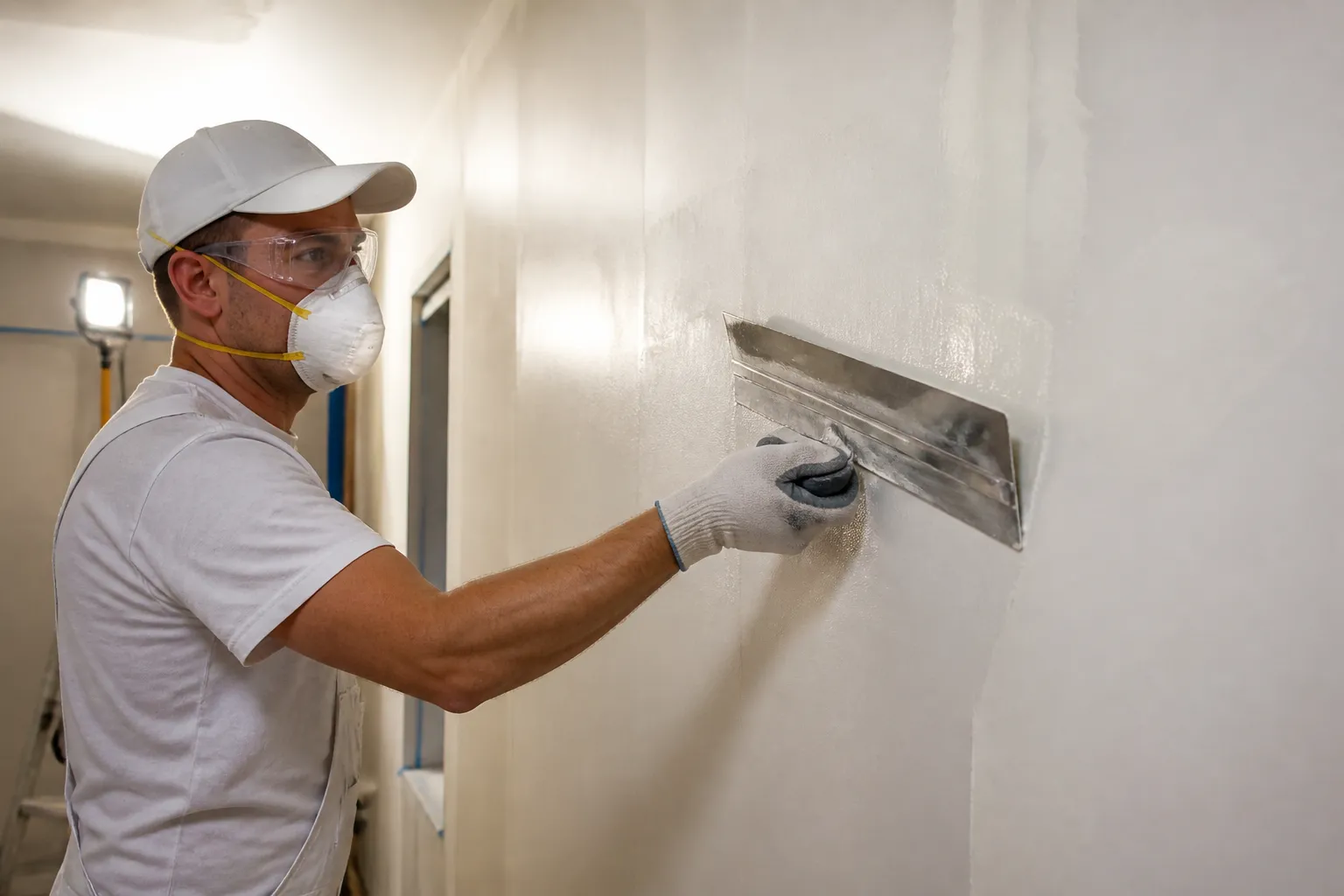
If your walls show tape joints, ridges, pinholes, or sanding marks after a renovation, the finish is not ready for paint. Uneven drywall finishing can stand out under natural light, especially on ceilings, hallways, and larger open rooms where every seam catches the eye.
Windsor Drywall Company handles Drywall Finishing for homeowners and builders who want clean, consistent surfaces without patchy texture or visible joints. If you are planning a remodel, finishing a basement, or fixing damaged walls, we help prepare the surface so it looks smooth once primer and paint go on.
Drywall finishing is more than covering seams. It is the sequence of taping, mudding, drying, sanding, and final surface correction that turns raw board into a paint-ready interior. On a well-finished wall, joints disappear, corners read clean, and the transition between repaired areas and existing drywall stays subtle.
At Windsor Drywall Company, we approach Drywall Finishing Windsor projects with close attention to surface movement, joint placement, and the final texture. That matters on new walls, drywall repair work, and replacement sections where the goal is to blend everything into one consistent surface.
The finishing process usually starts with tape embedded into joint compound, followed by additional coats that widen and level the seam. Once dry, the surface is sanded and checked again for lines, lumps, or shallow tool marks. Good finishing is about patience and control, not just covering the board.
Finishing flaws often appear around inside corners, board joints, screw dimples, ceiling transitions, and patched openings. These areas may look fine from a distance, then become obvious once sunlight hits them or paint is applied. Careful finishing reduces that risk before the wall is painted.
Some drywall issues are easy to spot before paint ever goes on. If a room already looks unfinished, it usually needs more than a quick touch-up. These symptoms often point to drywall finishing that was rushed, blended poorly, or left with surface irregularities.
If you notice one or more of these issues, a closer look before painting can save time and improve the final result. We often help clients across LaSalle, Tecumseh, Windsor, and surrounding Essex County communities correct these problems before they spread across the room visually.
Good Drywall Finishing Windsor work follows a clear sequence. Each coat has a role, and each sanding step prepares the next layer. Skipping one stage often leaves a finish that looks acceptable at first, then becomes obvious under paint.
This process is used for new construction, basement drywall, repair work, and ceiling repairs. It is especially important when walls will be painted with a satin or semi-gloss finish, since those sheens can reveal imperfections more easily.
Finishing often needs to solve more than one issue at once. A wall may have been patched after plumbing work, a window change, or water damage drywall repair. In those cases, the repair must blend with the surrounding surface instead of sitting on top of it.
Small repairs call for careful feathering around the patch so the edge disappears into the existing drywall. Larger cutouts may need multiple compound passes to recreate a level plane across the full area. If the patch is only finished at the center, the edge can still flash through after paint.
Some rooms include light texture or older finish patterns. When that is the case, the repaired section should be treated to match the surrounding area as closely as possible. Texture matching can help a patch feel part of the wall rather than a separate repair.
Windsor Drywall Company also handles plaster repair and drywall replacement where older surfaces need more than a simple skim. The goal is a finish that reads as one continuous surface, not a collection of separate fixes.
Many finish issues trace back to timing, prep, or the wrong compound technique for the job. The wall may have been covered, but the finishing stage did not fully level the surface. That is why Drywall Finishing LaSalle homeowners request often needs correction after paint has already been considered.
Common causes include:
These problems are frustrating because they can be subtle until the room is painted. Once light hits the wall, the flaws become more noticeable. Careful finishing reduces that risk by treating the entire surface as one visual field, not separate strips of board.
We handle Drywall Finishing Windsor projects across many property types, from single-room repairs to full interior finishing. Each space has different demands, but the goal remains the same: a smooth, clean base that is ready for paint and regular use.
Common project types include:
Whether the job is a small patch or a full interior, our work is aimed at the same outcome: smooth joints, clean corners, and surfaces that do not distract from the rest of the room.
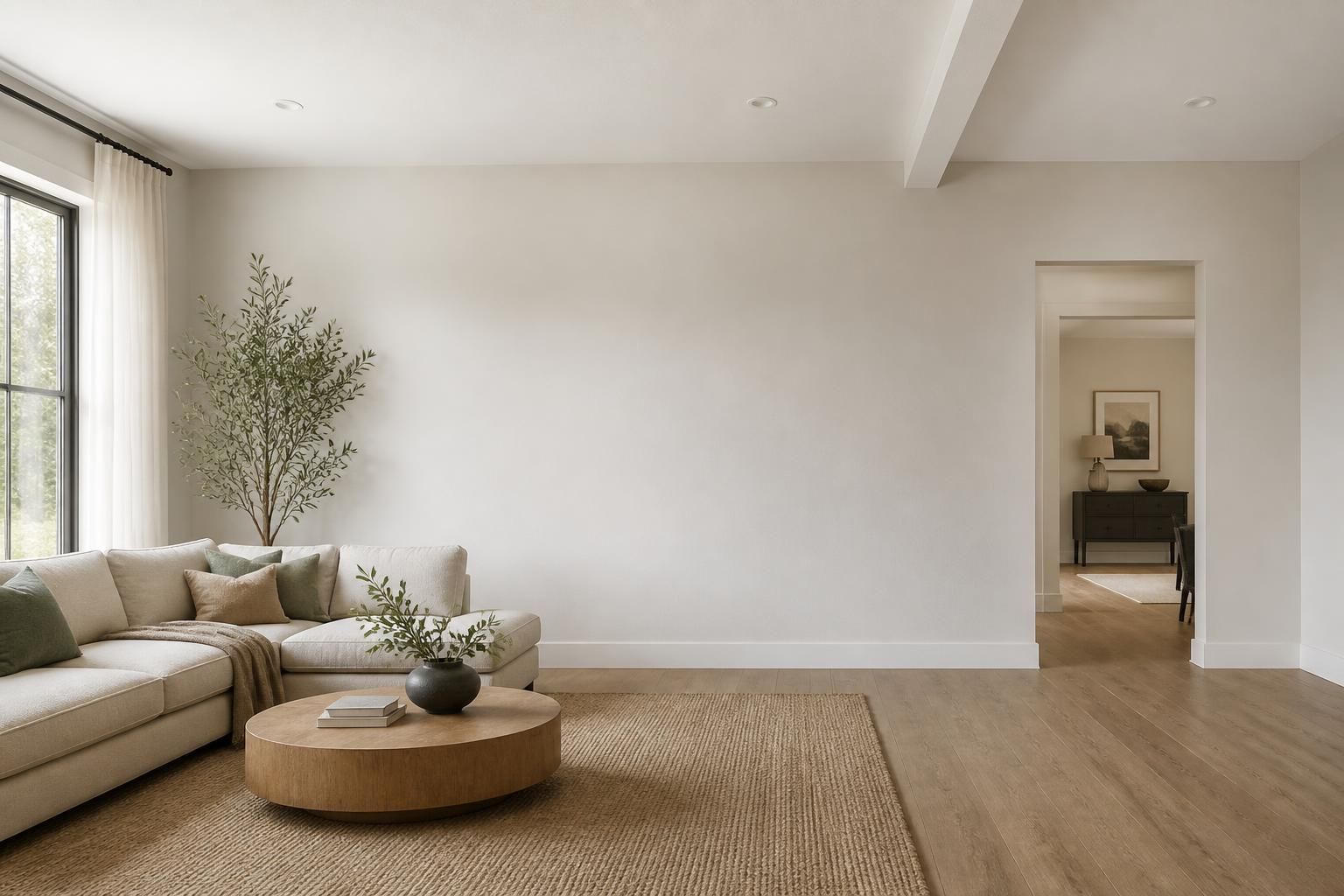
A well-finished wall changes how a room looks before any paint choice is made. Straight seams make the space feel calmer, repaired walls blend back into the structure, and ceilings look more even. That is why drywall finishing is one of the most noticeable parts of interior work, even though it is often the least visible when done well.
For homeowners in LaSalle, ON, and nearby areas such as Windsor, Tecumseh, Lakeshore, Amherstburg, Essex, Kingsville, Leamington, Belle River, and the surrounding Essex County communities, clean finishing also helps protect the value of the rest of the renovation. Paint, trim, and lighting all look better on a smooth base.
When clients ask for Drywall Finishing Windsor support, we focus on the details that affect the final appearance: line straightness, corner crispness, surface blending, and a finish that stands up to close inspection.
Run a light across the wall at an angle. If you see seam lines, ridges, pinholes, or sanding marks, the surface still needs attention before paint goes on.
Yes. A skim coat or re-finishing pass can soften patch edges, reduce visible transitions, and create a more even surface across the room.
Ceilings often show flaws faster because light hits them differently. Ceiling repair usually needs broader feathering and careful sanding to avoid visible halos.
If the drywall stayed sound, the damaged area may only need patching and finishing. If the board was weakened, replacement may be needed before final coats are applied.
Basement drywall often involves more seams, utility areas, and board transitions, so the finish has to stay consistent across more interruptions in the wall plane.
Yes. Commercial drywall finishing can be scheduled around interior buildouts, tenant improvements, and office spaces where a clean painted result matters.
If your walls or ceilings need a smoother finish, Windsor Drywall Company can assess the surface and recommend the right next step. From drywall repair Windsor projects to full Drywall Finishing LaSalle work, we help property owners move from rough board to paint-ready walls with clear communication and steady workmanship.
Call +16477005472 or visit us at 3008 Tecumseth Rd East to discuss your project. We serve LaSalle, ON, Windsor, Tecumseh, Amherstburg, Essex, Kingsville, Leamington, Belle River, Lakeshore, and nearby Essex County communities.
Start Your Project
Tell us about your drywall repair, new installation, ceiling issue, or finishing project. We will help you understand the right approach for a clean result that is ready for paint and built to last.